
What is Local SEO?
Local SEO is the process of optimizing a business’s online presence so it can appear when people search for services in a specific area.
It helps search engines and AI systems understand what a business offers, where it operates, and how trustworthy it is.
Local SEO combines elements such as business listings, website content, reviews, and online mentions to improve visibility for location-based searches across traditional search engines and AI-generated answers.
| Keyword type | Example |
|---|---|
| Service + location keywords | “dentist brooklyn”, “plumber valencia”, “lawyer chicago” |
| Near-me searches | “dentist near me”, “coffee shop near me” |
| Question-based keywords | “how much does a dental implant cost”, “when should you see a dentist” |
| AI conversational queries | “what is the best dentist in brooklyn”, “which plumber should I call in valencia” |
Where businesses can rank with local SEO
Local SEO can help businesses appear in several areas of search results, depending on the type of query and search platform.
Businesses may appear in:
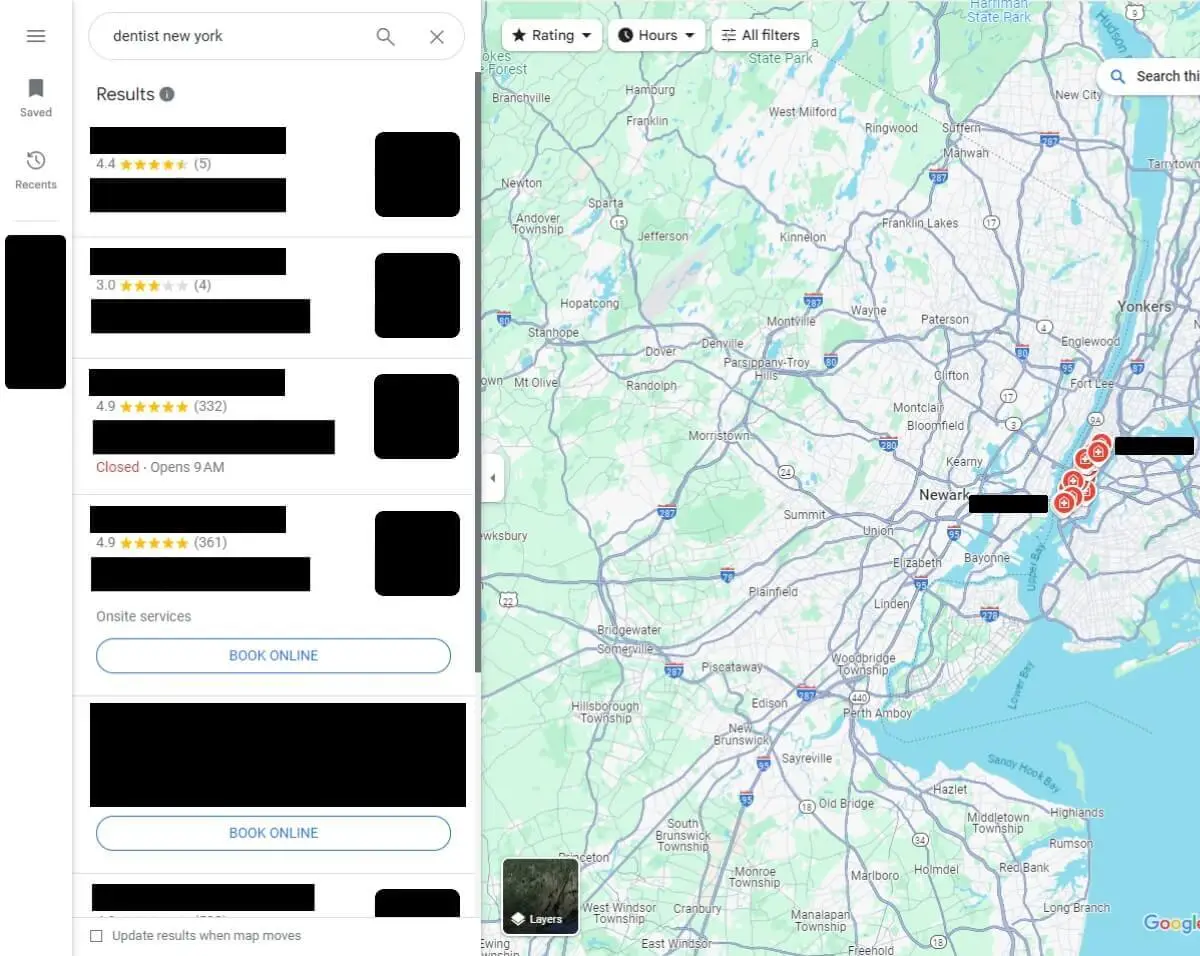
- Google Maps results, where users search directly on the map
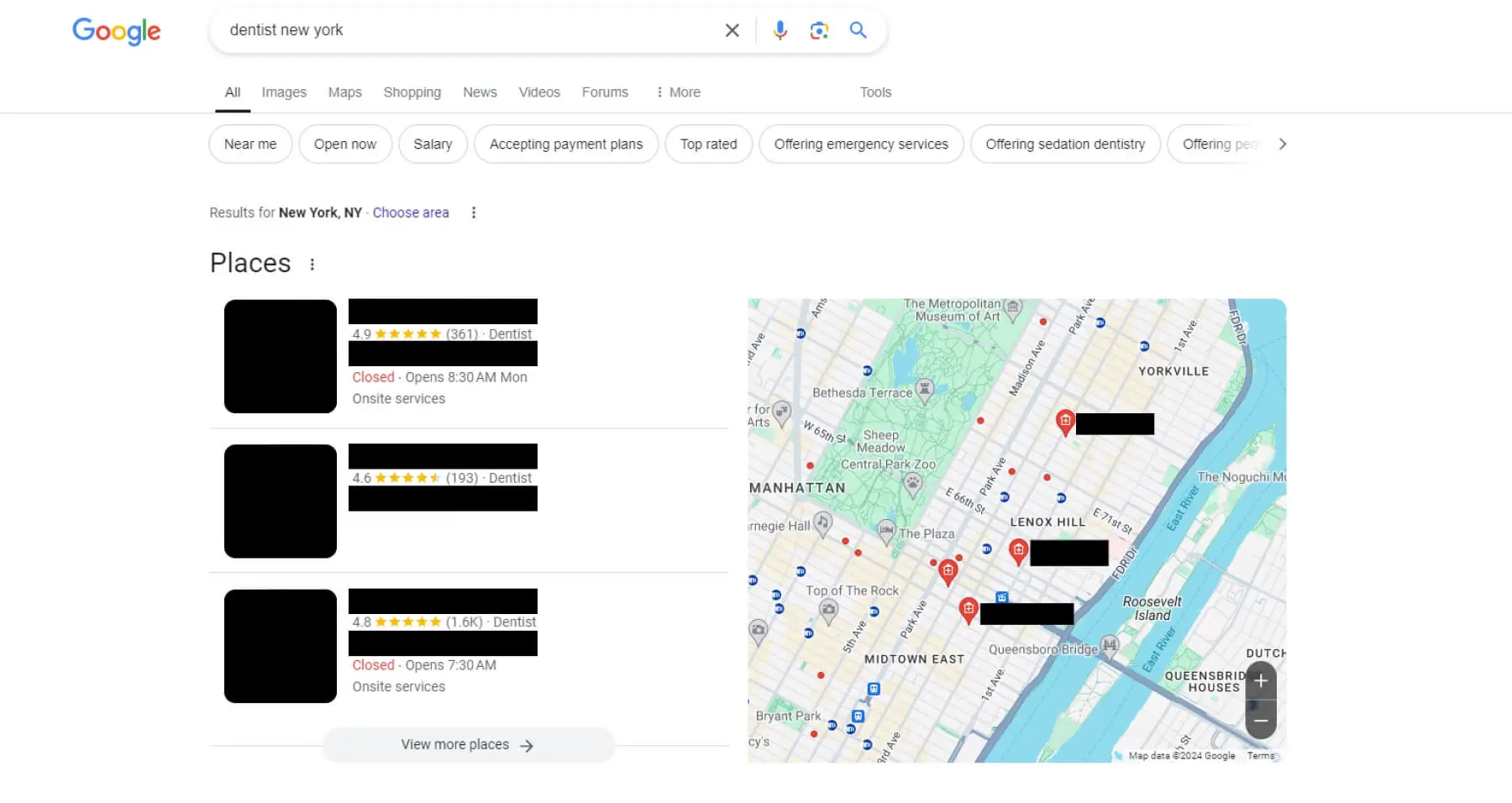
- The local pack, the map section showing three businesses in Google search
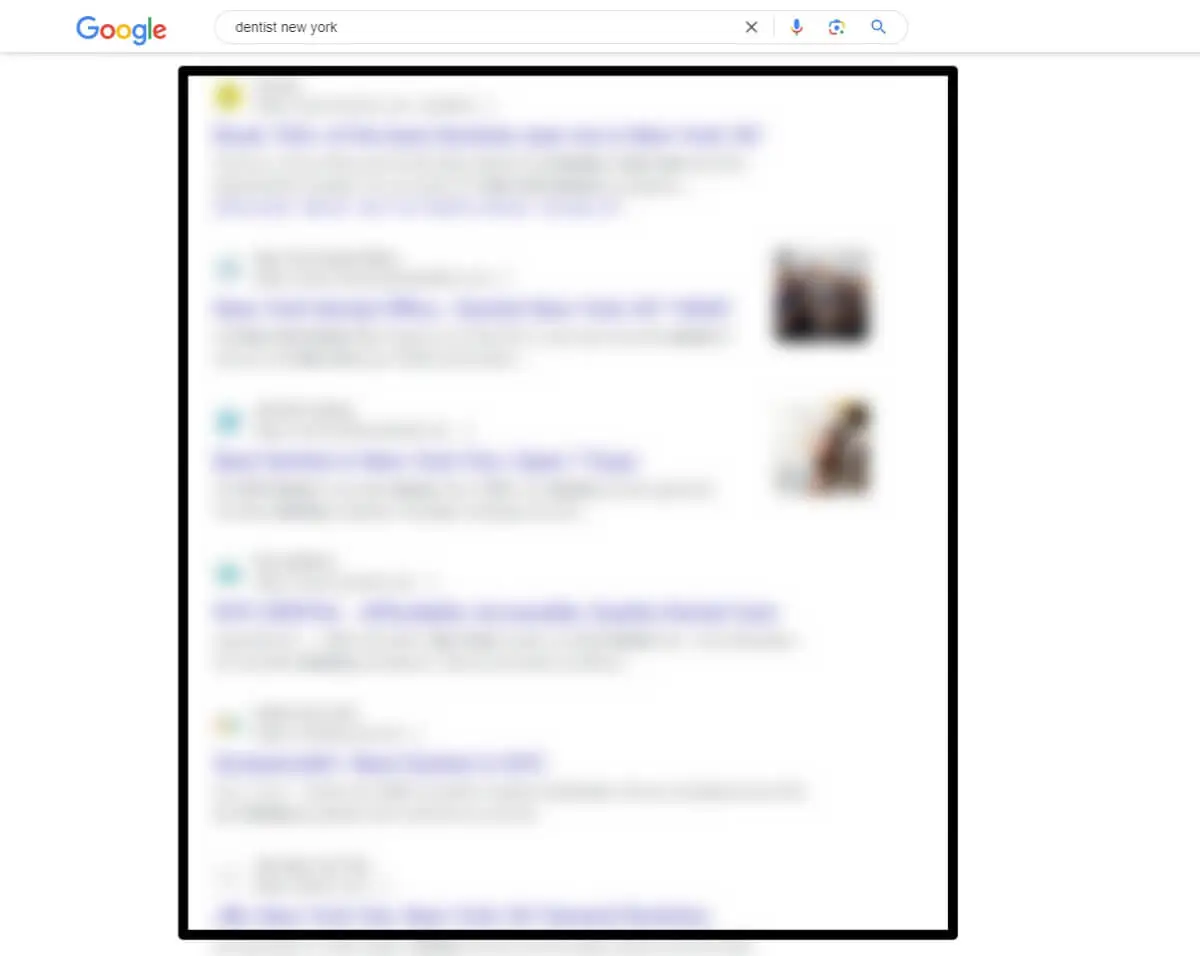
- Traditional organic search results, through service pages or location pages
- Business knowledge panels, when users search for a specific company
- AI-generated answers, where systems like ChatGPT, Gemini, or Perplexity may reference businesses when users ask about services in a city or neighborhood
Why local SEO matters in 2026
Local SEO helps dental clinics appear when people search for treatments or dentists in their area. When a clinic ranks in local search results, potential patients can quickly find contact information, directions, and reviews before deciding who to call or visit.
Some of the main outcomes of local SEO include:
- More phone calls from people searching for a dentist nearby
- More walk-ins and appointment requests from Google Maps visibility
- More contact form submissions from an optimized dental website
- Higher trust and authority, supported by reviews and strong search visibility
- More stable new patients per month from consistent search demand
For example, one dental clinic I worked with grew from 13 to 81+ new patients per month (120+ in 2026) after improving its local search visibility.
How Local Search Rankings Work
When someone searches for a dentist or dental treatment in a city, search engines try to show the most relevant clinics nearby.
To do this, they gather information from different sources online to understand what each clinic offers and whether it looks trustworthy.
| Step | What happens |
|---|---|
| Someone searches for a service | A person searches for something like “dentist near me” or “dental implant clinic.” |
| Search engines look for nearby clinics | The system identifies dental practices located in the searched area. |
| Information about each clinic is analyzed | Business listings, services, and website content help explain what the clinic offers. |
| Reputation is evaluated | Reviews, ratings, and online mentions help indicate trust and patient experience. |
| Results are shown to the user | The search engine displays clinics in Google Maps, the local pack, and website results. |
Clinics that provide clear information, strong reviews, and useful website content are more likely to appear in these results.
Local SEO Ranking Factors (2026)
Local search rankings depend on several signals that help search engines understand what a business offers, where it operates, and how trustworthy it appears online.
These signals help determine which businesses appear in Google Maps, the local pack, and local search results.
| Ranking factor | What it means |
|---|---|
| Google Business Profile optimization | Accurate categories, services, descriptions, photos, and regular updates help search engines understand the business. |
| Business location and proximity | Businesses closer to the searcher or the searched location are more likely to appear. |
| Reviews and ratings | A higher number of positive reviews increases trust and visibility. |
| Website relevance | Service pages, location pages, and clear content help match search queries. |
| Consistent business information | Matching name, address, and phone number across directories confirms legitimacy. |
| Online authority and mentions | Links, citations, and mentions from other websites strengthen credibility. |
Strong local SEO usually comes from improving several of these signals at the same time rather than focusing on just one factor.
Local SEO Tools
Local SEO tools help you:
- Manage your Google Maps presence through your Google Business Profile.
- Track website performance with Google Search Console and Google Analytics.
- Find local keywords people search for in your city or service area.
- Analyze competitors to see what keywords, pages, and links help them rank.
- Track local rankings across different locations and search terms.
- Audit technical SEO issues that may stop your website from ranking properly.
- Monitor reviews across Google and other platforms.
- Manage citations so your business details stay consistent online.
Free Local SEO Tools
| Tool | What it helps you do |
|---|---|
| Google Business Profile | Manage your Google Maps listing, update business information, add photos, and respond to reviews. |
| Google Search Console | Track how your website appears in Google Search, including clicks, impressions, rankings, and indexed pages. |
| Google Analytics | Analyze website traffic and understand how visitors interact with your site. |
| Google Keyword Planner | Research keywords people search for in your city, area, or related to your services. |
Paid Local SEO Tools
| Tool | What it helps you do |
|---|---|
| Ubersuggest / Semrush / Ahrefs / SE Ranking | Research keywords, analyze competitors, track rankings, and find SEO opportunities. |
| BrightLocal / Whitespark | Track local rankings, monitor citations, audit local SEO, and manage online reviews. |
| Screaming Frog / Sitebulb | Audit technical SEO issues, crawl your website, and analyze website structure. |
| ReviewTrackers / reputation tools | Monitor and manage customer reviews across Google, Facebook, Yelp, and other platforms. |
How to Do Local SEO
Improving local SEO usually involves strengthening several parts of a business’s online presence so search engines clearly understand what services the business offers and where it operates.
| Local SEO activity | Purpose |
|---|---|
| Optimize Google Business Profile | Improves visibility in Google Maps and the local pack |
| Website optimization for Local SEO | Helps search engines match services with relevant searches |
| Develop local content marketing | Helps capture local searches and build topical authority |
| Collect customer or patient reviews | Builds trust and strengthens reputation signals |
| List the business in local directories | Confirms business information across the web |
1. Google Business Profile Optimization
A Google Business Profile (GBP) is the first step to appearing on Google Maps and gaining visibility in local search results. When someone searches for a nearby service, this listing is often what determines whether your business shows up in the local pack or map results.
To improve your visibility, it is important to keep the profile complete, accurate, and regularly updated.
Some of the main actions include:
- Complete all business information (name, address, phone number, hours)
- Choose the correct primary and secondary categories
- Add detailed services or treatments offered by the business
- Upload high-quality photos of the location, team, and environment
- Encourage and respond to customer or patient reviews
- Publish posts and updates about services, news, or promotions
- Keep business information consistent across the web
Example of a detailed setup guide for dentists (also applicable to other local businesses):
https://tommasoliu.com/google-business-profile-for-dentists/
Google Business Profile Setup Guide (Step-by-Step) →
2. Website Optimization for Local SEO
A business website helps search engines understand what services you offer and which areas you serve. While Google Business Profile helps you appear in Maps results, the website strengthens your relevance for specific searches and allows potential customers or patients to learn more about your services.
A well-structured website also helps convert visitors into calls, appointment requests, or contact form submissions.
Some of the main actions include:
- Create dedicated service pages for each treatment or service offered
- Include location references in titles, headings, and page content
- Add clear contact information such as phone number, address, and opening hours
- Optimize pages for local keywords related to your services and city
- Use internal links to connect related service and informational pages
- Ensure the website loads quickly and works well on mobile devices
- Include contact forms and call-to-action buttons to encourage inquiries
Dental Website SEO: Pages and Optimization Guide →
3. Local Content Marketing
Local content marketing helps businesses appear for searches related to services and treatments in a specific area. While service pages target direct searches like a dentist in a city, educational content can attract people researching treatments before choosing a provider nearby.
Some useful actions include:
- Publish blog articles targeting local searches related to services or treatments
- Answer common questions patients search for before booking an appointment
- Create content mentioning the city or service area when relevant
- Share articles and tips on social media platforms to increase visibility
- Publish updates and posts on your Google Business Profile to keep the listing active
- Link informational content to service pages to guide visitors toward booking
Dental SEO: A Complete Guide for Dentists (2026) →
4. Reviews and Reputation Management
Reviews help search engines and potential customers evaluate the credibility of a business. Positive feedback across multiple platforms signals trust and can influence whether people choose to contact or visit a business.
Managing reviews also shows that a business is active and responsive to customer experiences.
Some useful actions include:
- Encourage customers or patients to leave reviews after a positive experience
- Ask for reviews at the right moment, such as after a completed service or appointment
- Respond to both positive and negative reviews professionally
- Monitor reviews across multiple platforms, not only Google but also sites like Yelp or industry directories
- Make it easy to leave reviews by sharing direct links or QR codes
How to Ask Patients for Google Reviews →
5. Local Directories and Citations
Local directories and citations help search engines confirm that a business exists, where it is located, and how it can be contacted. These listings usually include basic information such as the business name, address, phone number, and website.
When this information is consistent across multiple platforms, it strengthens trust signals and helps search engines verify the legitimacy of the business.
Some useful actions include:
- List the business in trusted local directories relevant to the industry or location
- Keep business information consistent (name, address, phone number) across listings
- Add the website link to reinforce connections between platforms
- Include accurate categories and descriptions of the services offered
- Check listings periodically to correct outdated or incorrect information
Common Local SEO Mistakes
Many businesses struggle with local SEO not because the strategy is complex, but because some basic elements are missing or poorly maintained. Inconsistent information, incomplete listings, or weak website content can make it difficult for search engines to understand what the business offers and where it operates.
| Common mistake | Why it hurts local SEO |
|---|---|
| Incomplete Google Business Profile | Missing categories, services, or photos reduce visibility in Maps results |
| Inconsistent business information | Different names, addresses, or phone numbers across directories create confusion |
| Few or no reviews | Low review activity can reduce trust and engagement |
| Weak service pages on the website | Search engines struggle to match the business to relevant searches |
| Ignoring website mobile experience | Many local searches happen on mobile devices |
| No ongoing content or updates | Lack of activity can reduce authority and visibility over time |
Local SEO for Different Types of Businesses
Local SEO strategies can vary depending on the type of business, services offered, and how competitive the local market is. While the core principles remain similar, different industries often require specific pages, content, and search strategies to attract the right local customers.
Below are examples of how local SEO can be adapted for different types of businesses.
Local SEO for Dentists
Helps dental clinics appear when patients search for treatments nearby, while respecting healthcare advertising regulations and building trust through reviews.

Local SEO for Lawyers
Helps law firms appear when potential clients search for legal services in their city, where competition is high and credibility is essential.
Local SEO for Small Businesses
Helps small businesses become visible when people search for nearby services, often with limited marketing budgets and more established local competition.
Hiring Help for Local SEO
Some businesses choose to handle local SEO internally, while others decide to work with a specialist or agency.
This usually happens when the business wants faster results, lacks the time to manage SEO tasks, or operates in a competitive local market.
Hiring the right professional can help structure the strategy, prioritize the most impactful actions, and avoid common mistakes.
Local SEO Specialist vs Agency
Businesses can hire either an independent local SEO specialist or a marketing agency. Both options can help improve visibility in local search, but they often work differently.
| Local SEO specialist | Local SEO agency |
|---|---|
| Usually works independently | Works with a larger team |
| Often more flexible and specialized | Offers multiple marketing services |
| Direct communication with the expert | Communication may go through account managers |
| Typically lower overhead costs | Higher pricing due to team structure |
| Focused mainly on SEO strategy and execution | May bundle SEO with ads, social media, and other services |
The best option depends on the complexity of the project, budget, and level of support needed.
What to Look for When Hiring
Choosing the right local SEO professional involves evaluating both experience and transparency. Businesses should look for someone who understands local search behavior and can explain the strategy clearly.
Some important things to consider include:
- Experience with local businesses or similar industries
- Clear explanation of the strategy and expected timeline
- Examples or case studies of previous results
- Transparent reporting and communication
- Focus on sustainable SEO practices rather than shortcuts
What Local SEO Services Include
Local SEO services usually focus on improving the main elements that influence visibility in local search results, including business listings, website relevance, reviews, and local authority signals.
| Local SEO service | Purpose |
|---|---|
| Google Business Profile optimization | Improves visibility in Google Maps and the local pack |
| Local keyword research and SEO strategy | Identifies the searches potential customers use |
| Website optimization for local searches | Helps search engines match services with relevant queries |
| Local content creation | Attracts searches related to services, treatments, or questions |
| Review and reputation management | Builds trust and strengthens local ranking signals |
| Local directory listings and citations | Confirms business information across multiple platforms |
Local SEO Services That Drive Real Local Growth →
How Much Does Local SEO Cost?
Local SEO services typically range from about $300 for a basic audit to $5,000 or more per month for ongoing multi-location SEO management. The final price depends on the competitiveness of the market, the number of locations or services involved, and how much work is required to improve the website, listings, and content.
Typical pricing ranges include:
| Local SEO service type | Typical cost range |
|---|---|
| Local SEO audit (one-time) | $300 – $1,500 |
| Google Business Profile optimization | $200 – $800 |
| Local SEO setup for a new business | $500 – $2,500 |
| Monthly local SEO services | $500 – $3,000+ per month |
| Multi-location local SEO management | $1,500 – $5,000+ per month |
Costs may increase depending on factors such as market competition, the number of services or locations to optimize, the condition of the existing website, and the amount of content or ongoing SEO work required.
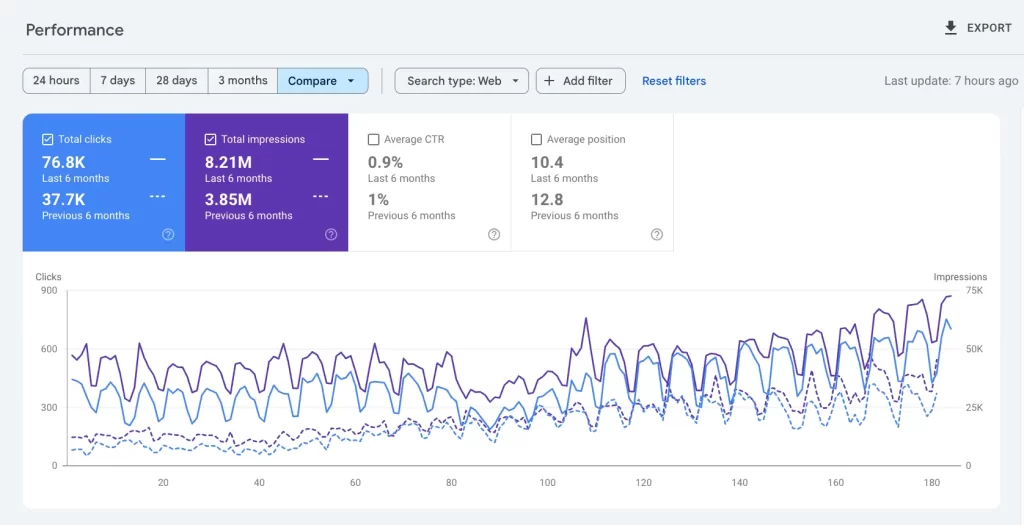
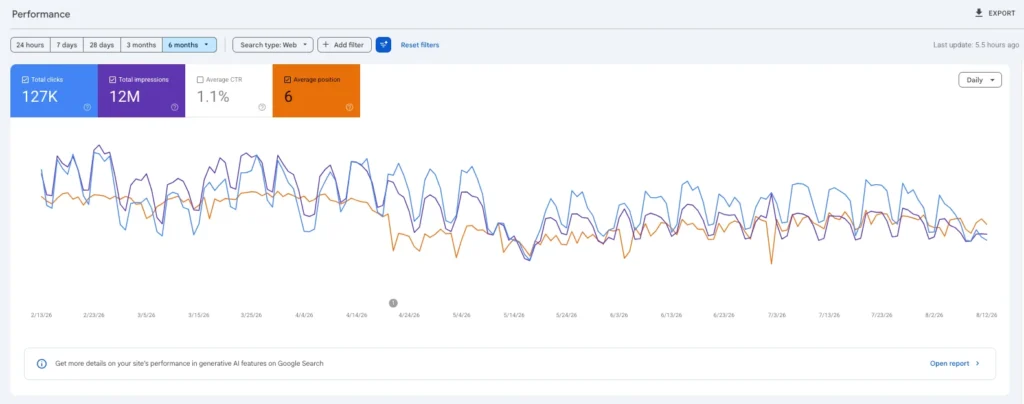
My Case Study: 13 to 81 New Patients per Month
This clinic was nearly invisible online, averaging just 13 new patients per month.
FAQs About Local SEO
Do I need a website for local SEO?
No, but having one helps a lot. It gives Google more info and builds trust.
How long does it take to see results?
Usually 2–3 months, depending on your competition and starting point.
Does local SEO work for service businesses or only stores?
It works for both. As long as you serve a local area, local SEO helps.
Is local SEO free or paid?
Most local SEO steps are free, but you can also hire experts or use paid tools to speed up the process.
Articles related to Local SEO
- Dental Website SEO
- How to Ask Patients for Google Reviews
- Dental SEO Analysis
- Google Ads for Dentists
- Local SEO for Dentists
- Social Media for Dentists
- Word of Mouth for Dentists
- What Is Local SEO and How Does It Work? (Simple Guide for 2026)
- Local SEO for Small Businesses in 2026
- Will This Hurt My SEO? 21 Common Mistakes to Avoid
- SEO Services | Get More Traffic & Customers
- Google Business Profile 1-Day Masterclass
- Google Business Profile